
- Causes: The exact cause of pancreatic cancer is not fully understood, but several factors can increase the risk, including smoking, obesity, age, family history, pancreatitis, diabetes, and certain genetic syndromes.
- Presentation: Symptoms of pancreatic cancer can include abdominal or back pain, unintended weight loss, jaundice (yellowing of the skin and eyes), digestive issues, changes in stool color, new-onset diabetes, and fatigue.
- Investigation: Diagnostic tests for pancreatic cancer may include imaging studies like CT scans, MRIs, and endoscopic ultrasounds, as well as blood tests to check for tumor markers and biopsies to confirm the diagnosis.
- Diagnosis: Diagnosis of pancreatic cancer involves a combination of clinical evaluation, imaging tests, and sometimes biopsy of the pancreatic tissue. Common diagnostic criteria include imaging findings suggestive of pancreatic cancer and elevated levels of tumor markers in the blood.
- Treatment: Treatment options for pancreatic cancer depend on the stage of the cancer and may include surgery, chemotherapy, radiation therapy, targeted therapy, immunotherapy, and palliative care to manage symptoms and improve quality of life.
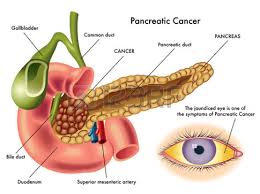
Cells in the pancreas develop mutations in their DNA, leading to pancreatic cancer or pancreatic carcinoma. The basic function of the pancreas is to produce enzymes and regulate sugars.There are two types of glands in the pancreas exocrine and endocrine glands. Cancerous states of the pancreas are also classified into endocrine and exocrine.
Exocrine glands
The exocrine glands are responsible for the production of pancreatic juices or enzymes which are released into the intestine and help digest the food. Non-functionality of the endocrine glands means food will pass through the intestine without being absorbed. 95% of the cells of the pancreas make of exocrine glands. The common type of cancer developing in this area is the adenocarcinoma which actually constitutes for most of the cancers of the pancreas.
Endocrine glands
The endocrine glands are made up of small clusters of cells called islets of Langerhans. These are responsible for producing insulin and glucagon hormones which are released directly into the blood. Glucagon increases blood sugars in the body whereas insulin reduces it. Cancers developing within the endocrine glands are broadly classified as neuroendocrine tumors or NETs and since they form in the pancreas are called Pan NETs.
Pancreatic cancer has a reputation of poor prognosis and the cancer can spread rapidly. It is very difficult to detect it in the early stages and symptoms are mostly noted in advanced stages.
Causes Of Pancreatic Cancer
- Age: usually detected in patients above the age of 65
- Gender: disease is more common in men
- Smoking
- Heredity
- Diabetes mellitus
- Periodontal disease
- Dietary factors: high consumption of red meat or processed meat and sugary drinks (colas and soft drinks)
- Alcohol abuse
- Obesity
Pancreatic Cancer Symptoms
- Pain in upper abdomen and back
- Jaundice: yellowish skin and eyes and darkened urine
- Steatorrhea or fatty stools
- Cachexia or unexplained weight loss
- Loss of appetite
- Feeling of fullness due to compression of organs by the tumor
- Heartburn or dyspepsia
- Trousseau’s syndrome
- Clinical depression
- Pulmonary embolism
- Pancreatic cancer metastases
Pancreatic Cancer Diagnosis
Tumour markers like CA 19-9 and CEA are helpful in the diagnosis and treatment of this condition.
Imaging tests A CT scan and MRI are done to visualize the internal organs and the pancreas.
EUS: The endoscopic ultrasound make images with the help of an ultrasound device which passed through a flexible tube called the endoscope to obtain images.
Biopsy: A small sample of the tissue is extracted from the pancreas with the help of a needle to be examined under the microscope. This is called fine needle aspiration aided by endoscopic ultrasound.
ERCP: Endoscopic retrograde cholangiopancreatography is done with a help of a dye that is injected into the pancreatic ducts.
MRCP: Magnetic Resonance Cholangio Pancreatography also gives good road map of the cancer as well as dilatation of the CBD and pancreatic ducts.
PET-CT: is sometimes required to rule out spread of the disease before planning treatment.